

When individuals consider themselves to be truly healthy, their thoughts frequently revolve around the absence of disease itself. When there’s no pain, all medical tests come back within normal parameters, and no medical condition has been identified, it can be easy to conclude that all is right with one’s health. However, health is a great deal wider than simply being completely free from disease.
One person could have no apparent health issue and still be feeling constantly exhausted, emotionally drained, and utterly inactive, or disconnected from their very own sense of well-being itself. The sensation of being truly healthy really does relate to your functioning and actual experience of daily life itself, not merely whether or not you’ve got some particular illness.
Health Is More Than a Medical Diagnosis
Being free from a diagnosed illness really is a significant part of health itself – but it isn’t the whole picture. Your physical energy, your emotional stability, the quality of your sleep, your mobility, your diet, and the ability to cope with daily activities are also important for Surat escorts in determining just how well they feel.
Someone might not be dealing with a major health issue but still face problems with their sleep or experience persistent fatigue themselves. Such experiences deserve consideration – even if they don’t immediately suggest a specific diagnosis.
Energy Can Influence How Healthy You Feel
Your usual energy levels will really impact how you perceive your health. Having enough energy for work, exercising, socializing, following your hobbies, and coping with those everyday duties themselves will add up to an even greater sense of well-being.
Everyday fatigue is totally normal – especially after some long days. But being persistently exhausted will make everyday life itself much harder to cope with.
Sleep, physical activity, diet, stress, and your routine all play their part in determining your energy levels—so it’s clear that your total way of life must be considered right alongside any medical issues you may have.
Mental Well-Being Matters
Your physical health and your mental well-being have a very close connection to the quality of your day-to-day life itself. A person could look like they’re physically fit but be going through continuous stress, feeling lonely, anxious, or emotionally exhausted all the time.
Taking care of one’s mental well-being is not about sidestepping every difficult emotion. Stress, sadness, frustration, and disappointment are part of the fabric of life itself. The key difference for Canberra escorts is whether such experiences will be short-lived or continuously interfere with one’s daily functioning.
Creating space for resting, having significant relationships, hobbies, relaxation, and activities that bring you joy will really support your overall well-being.
Movement Is Part of Feeling Well
Physical activity is another very important part of a really healthy way of living. It isn’t necessary to have an extremely demanding exercise program so as to profit from movement itself. Just strolling, stretching, cycling, leisure time activities, domestic duties, or any number of types of continuous movement will all help your body function properly.
Being physically active will also make your daily activities appear much less difficult – and will probably help your mood and energy levels too. The target doesn’t need to be attaining some sort of specific look. Keeping your flexibility and integrating movement right into your day-to-day existence could be very valuable for your long-term health and wellbeing.
Food Is About More Than Avoiding Disease
Nutrition is frequently talked about with respect to stopping illnesses; however, your food will also impact just how individuals live out their day-to-day lives. Eating regularly and having a balance of meals can offer the necessary energy and nutrients for all the usual bodily functions.
A healthy diet doesn’t need to be perfect. A diverse one that’s made up of a whole variety of nutrient-dense foods will be much easier to stick to over time than being held back by always having to follow very tight rules.
Food itself can also be linked to one’s culture, one’s enjoyment, one’s social relationships, and even one’s daily routines. An approach to eating that is truly healthy should take all of these points into consideration instead of simply viewing eating as a medical issue itself.
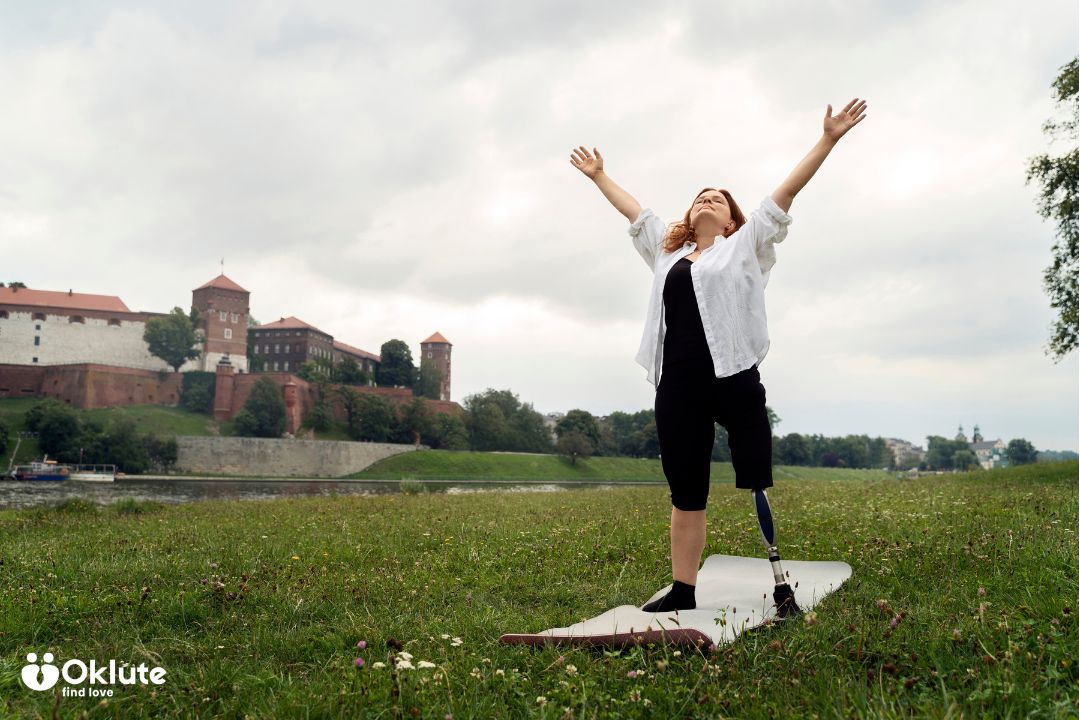
Healthy Does Not Mean Feeling Perfect Every Day
An additional really key thing is that feeling quite well doesn’t necessarily mean feeling full of energy and positively disposed every day. All of us experience fatigue, minor aches and pains, stress itself, or periods of low motivation.
Health should never be seen as just one more unattainable standard that will make individuals feel guilty if they’re having an imperfect day.
It might be much more practical instead to look at your whole pattern. How well are you sleeping? Can you carry out your usual activities? Is there enough energy left over for those things that are important to you? For Southampton escorts, it can also be useful to ask whether they are able to get back to normal after periods of intense pressure.
Pay Attention to Changes
Understanding the distinction between not having an illness and really being healthy will make you more aware of both your body and your mind.
Don’t brush off those persistent or inexplicable changes in energy, sleep, mood, appetite, pain, or the way your physical body functions simply because no specific diagnosis exists. If a problem persists or has a significant impact on your day-to-day life, then talking about it with an appropriately qualified health care professional could help establish what might be causing it and suggest what you should do next.
Conclusion
Being free from illness really is a significant part of your health, but it’s not the only yardstick. Feeling truly healthy also means having the actual physical capability, emotional wellbeing, energy and resilience necessary to take part in your day-to-day life.
Instead of thinking of your health as merely being free from disease itself, it might be better to think of it as a continuous balance between your physical, mental and social wellbeing. Really noticing how you’re feeling and functioning will help you develop a much more complete approach to your health.